1. Chemical Identity
-
IUPAC Name: 1,2-diacyl-sn-glycero-3-phospho-L-serine
-
Molecular Formula: C₄₂H₈₂NO₁₀P (representative for soy-derived with C16:0/C18:2 fatty acids)
-
CAS Number: 51446-62-9 (from soy), 137637-40-4 (from bovine cortex)
2. Source & Production Methods
Primary Sources:
-
Soybean-derived (≥98% purity): Predominant commercial source using enzymatic transphosphatidylation of phosphatidylcholine
-
Sunflower-derived: Emerging alternative with different fatty acid profile
-
Bovine cortex-derived: Historical source, now largely replaced due to BSE concerns
Manufacturing Processes:
-
Enzymatic Conversion (Commercial standard):
-
Phospholipase D-mediated transphosphatidylation
-
Substrate: High-purity soybean phosphatidylcholine
-
Serine donor: L-serine
-
Yield: Typically >90% conversion efficiency
-
-
Extraction & Purification:
-
Solvent extraction (food-grade ethanol/hexane)
-
Column chromatography purification
-
Molecular distillation for concentration
-
Ultra-filtration for endotoxin control
-
3. Chemical Properties
Physical Characteristics:
-
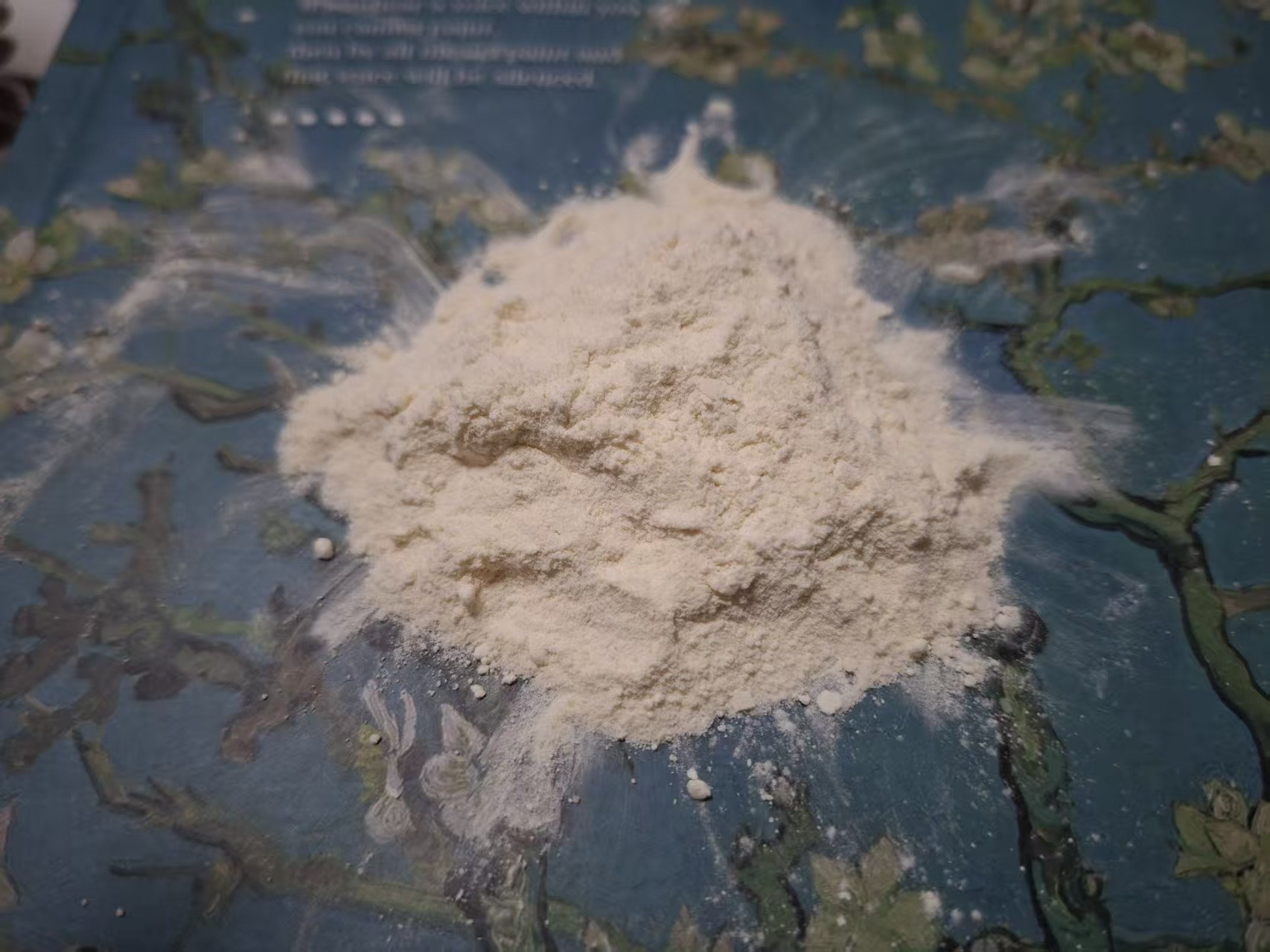
Appearance: White to light yellow powder or viscous liquid
-
Solubility:
-
Soluble in chloroform, methanol, dimethyl sulfoxide
-
Insoluble in water, acetone, hexane
-
-
Melting Point: 180-185°C (decomposes)
-
Hygroscopicity: Moderate; requires desiccant protection
Fatty Acid Composition (Typical Soy Source):
-
Palmitic acid (C16:0): 8-12%
-
Stearic acid (C18:0): 2-4%
-
Oleic acid (C18:1): 8-12%
-
Linoleic acid (C18:2): 60-70%
-
Linolenic acid (C18:3): 5-8%
4. Specifications & Quality Standards
Pharmaceutical-Grade Parameters:
| Parameter | Specification |
|---|---|
| Purity (HPLC) | ≥70% |
| Phosphatidylserine content | ≥70% |
| Residual solvents | <50 ppm (each) |
| Heavy metals | <10 ppm |
| Microbial limits | <100 CFU/g |
| Endotoxins | <10 EU/g |
| Peroxide value | <5 mEq/kg |
| Acid value | <25 mg KOH/g |
| Water content | <2.0% |
Identity Verification:
-
FTIR spectroscopy: Characteristic peaks at 3300-2500 cm⁻¹ (NH₃⁺), 1735 cm⁻¹ (C=O), 1220 cm⁻¹ (P=O)
-
NMR spectroscopy: ¹H and ³¹P NMR for structural confirmation
-
Mass spectrometry: ESI-MS for molecular weight determination
5. Stability & Storage
Degradation Pathways:
-
Hydrolysis of ester bonds (acid/alkali catalyzed)
-
Oxidation of unsaturated fatty acids
-
Phosphodiester bond cleavage
Stabilization Strategies:
-
Antioxidant addition (tocopherols, ascorbyl palmitate)
-
Nitrogen blanketing during processing
-
Cold chain storage (2-8°C recommended)
-
Light-protected packaging (aluminum foil)
Shelf Life:
-
Unopened, proper storage: 24 months
-
Opened containers: 6 months maximum
-
Reconstituted solutions: 24 hours at 2-8°C
6. Applications
Pharmaceutical Uses:
-
Cognitive enhancement: 100-300 mg/day for memory support
-
Sports nutrition: 400-800 mg/day for cortisol modulation
-
Geriatric formulations: Combined with omega-3s for brain health
-
Dosage forms: Softgels, powders, emulsions, liposomal preparations
Delivery Systems:
-
Liposomal encapsulation (enhanced bioavailability)
-
Self-emulsifying drug delivery systems (SEDDS)
-
Nanoparticle formulations for blood-brain barrier penetration
7. Safety & Regulatory Status
Regulatory Approvals:
-
FDA: Generally Recognized As Safe (GRAS) for specific uses
-
EFSA: Approved health claims for cognitive function (2010)
-
Health Canada: Natural Product Number (NPN) issued
-
Pharmacopoeial Standards: USP-NF monograph under development
Toxicology Profile:
-
LD₅₀: >5000 mg/kg (rat, oral)
-
NOAEL: 420 mg/kg/day (90-day study)
-
Mutagenicity: Negative (Ames test)
-
Reproductive toxicity: No adverse effects at recommended doses
8. Analytical Methods
Quantification Techniques:
-
HPLC-ELSD: Primary method for purity assessment
-
³¹P-NMR: Gold standard for positional isomer determination
-
TLC-densitometry: Rapid screening method
-
Enzymatic assays: Specific for PS quantification in mixtures
Impurity Profiling:
-
Related phospholipids (PC, PE, PI): <2% each
-
Lysophosphatidylserine: <0.5%
-
Free fatty acids: <1%
-
Glycerol: <0.5%



评价
目前还没有评价